Fractal art generation represents a fascinating intersection of mathematics and creativity, where intricate patterns emerge from simple equations. This form of digital art has gained global recognition for its ability to visualize complex structures that mirror natural phenomena, from the branching of trees to the spirals of galaxies. Artists and mathematicians alike have embraced fractal algorithms as tools to explore the infinite beauty of self-similarity and recursive patterns. The process often involves using software that applies mathematical formulas, such as the Mandelbrot set or Julia set, to generate visually stunning images that evolve infinitely at different scales. These artworks not only captivate the eye but also provoke deeper contemplation about the underlying order in the universe. As technology advances, new techniques like 3D fractal rendering and interactive fractal exploration have expanded the possibilities for creative expression. Fractal art is no longer confined to static images; it now includes dynamic animations and immersive virtual experiences that allow viewers to navigate through endless layers of detail. The accessibility of fractal-generating tools has also democratized the medium, enabling artists from diverse backgrounds to contribute to this evolving field. From galleries in major cities to online communities, fractal art continues to inspire and challenge perceptions of what constitutes beauty in both nature and human creation. 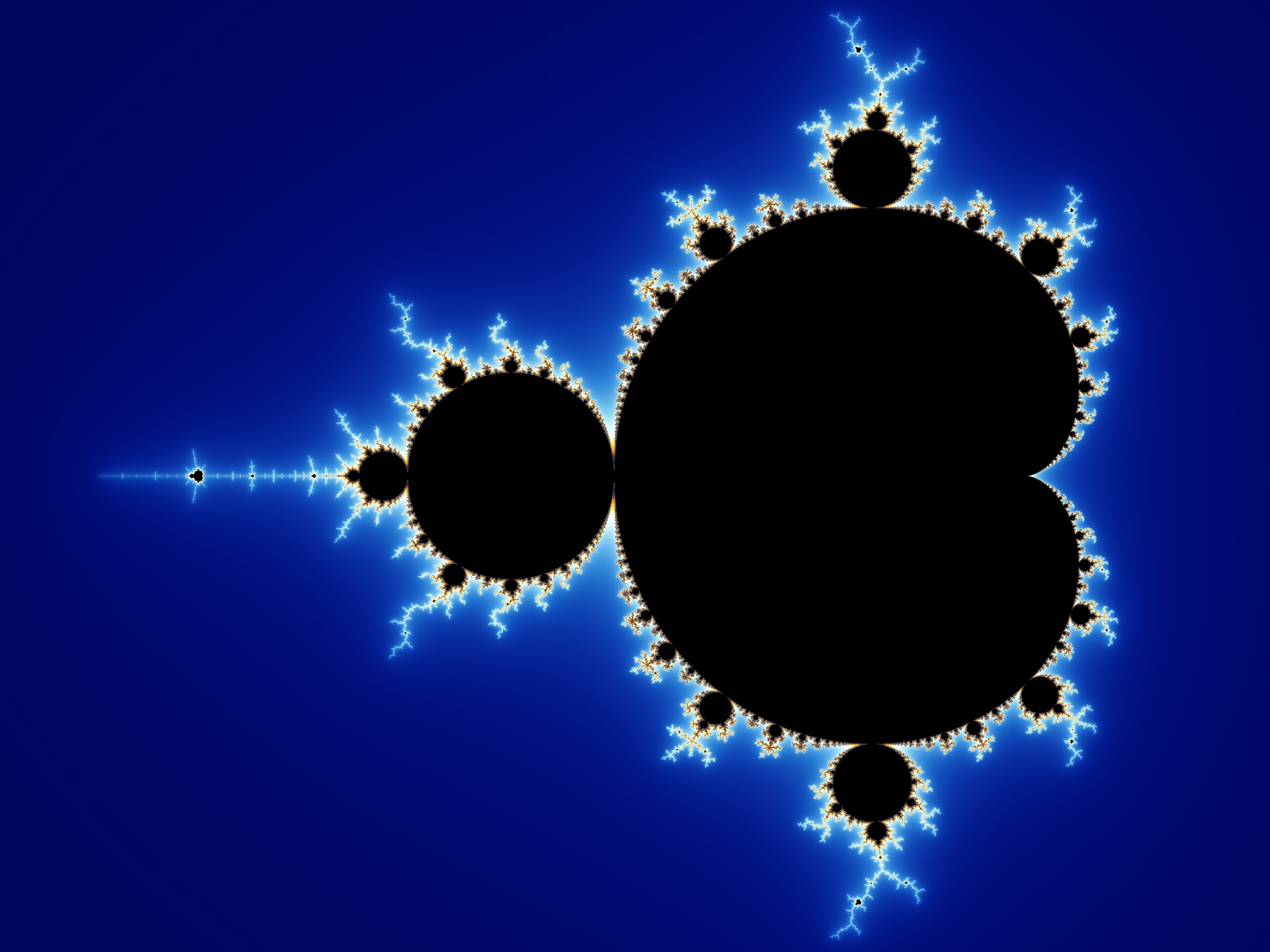 In many ways, fractal art serves as a bridge between science and aesthetics, illustrating how abstract mathematical concepts can lead to profound artistic outcomes. Its growing popularity underscores the universal appeal of patterns that reflect the complexity of the natural world. As more artists experiment with fractal techniques, the boundaries of this genre continue to expand, offering fresh perspectives on the relationship between mathematics and creativity. The global community of fractal artists is constantly innovating, blending traditional artistic principles with computational methods to produce works that are both intellectually stimulating and visually breathtaking. Whether viewed on a screen or printed as large-scale installations, fractal art reminds us of the hidden order that exists within chaos, inviting us to see the world in new and unexpected ways.